Sustainable Wellbeing for the Individual and the Collectivity in the Energy transition
SWICE
Vienna, Zurich, Geneva, Fribourg, 2023–2028
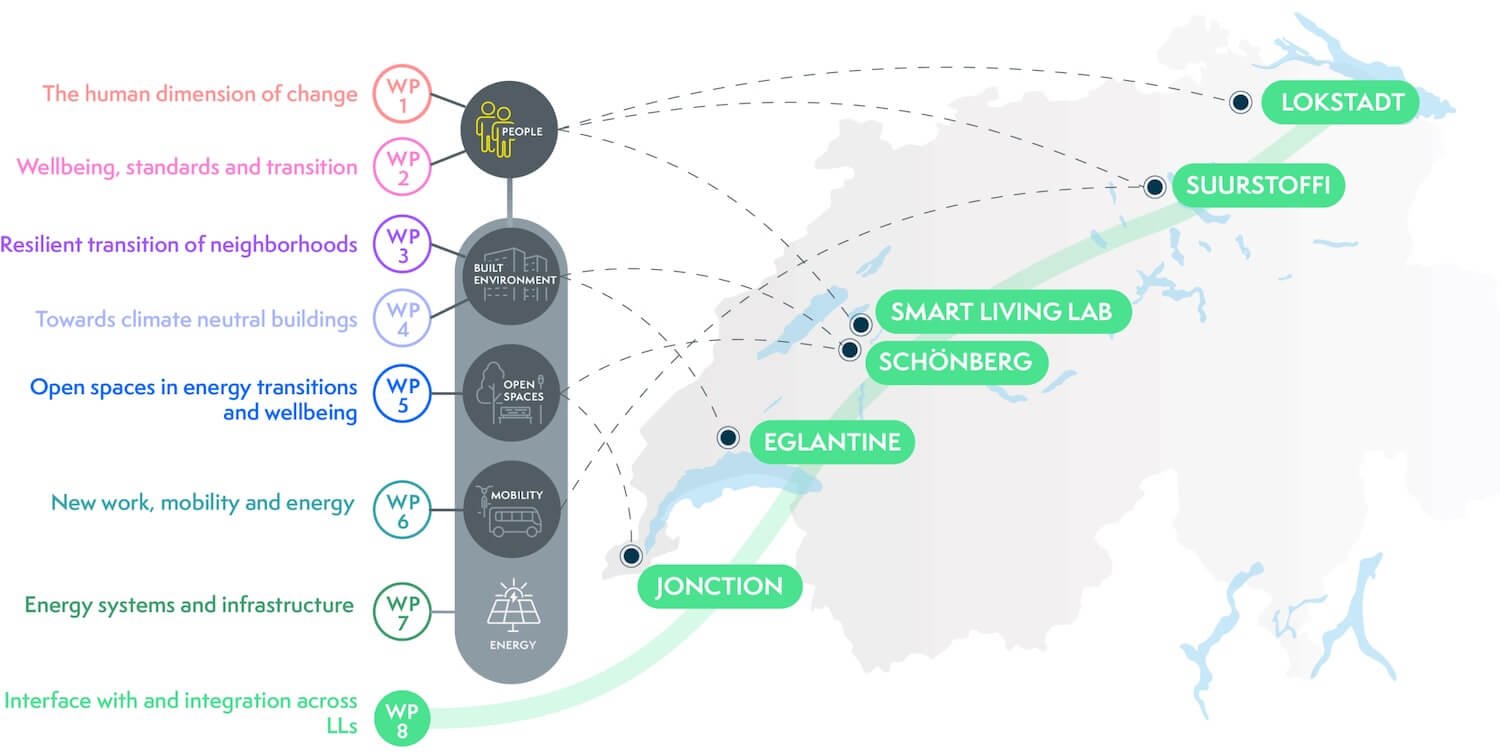
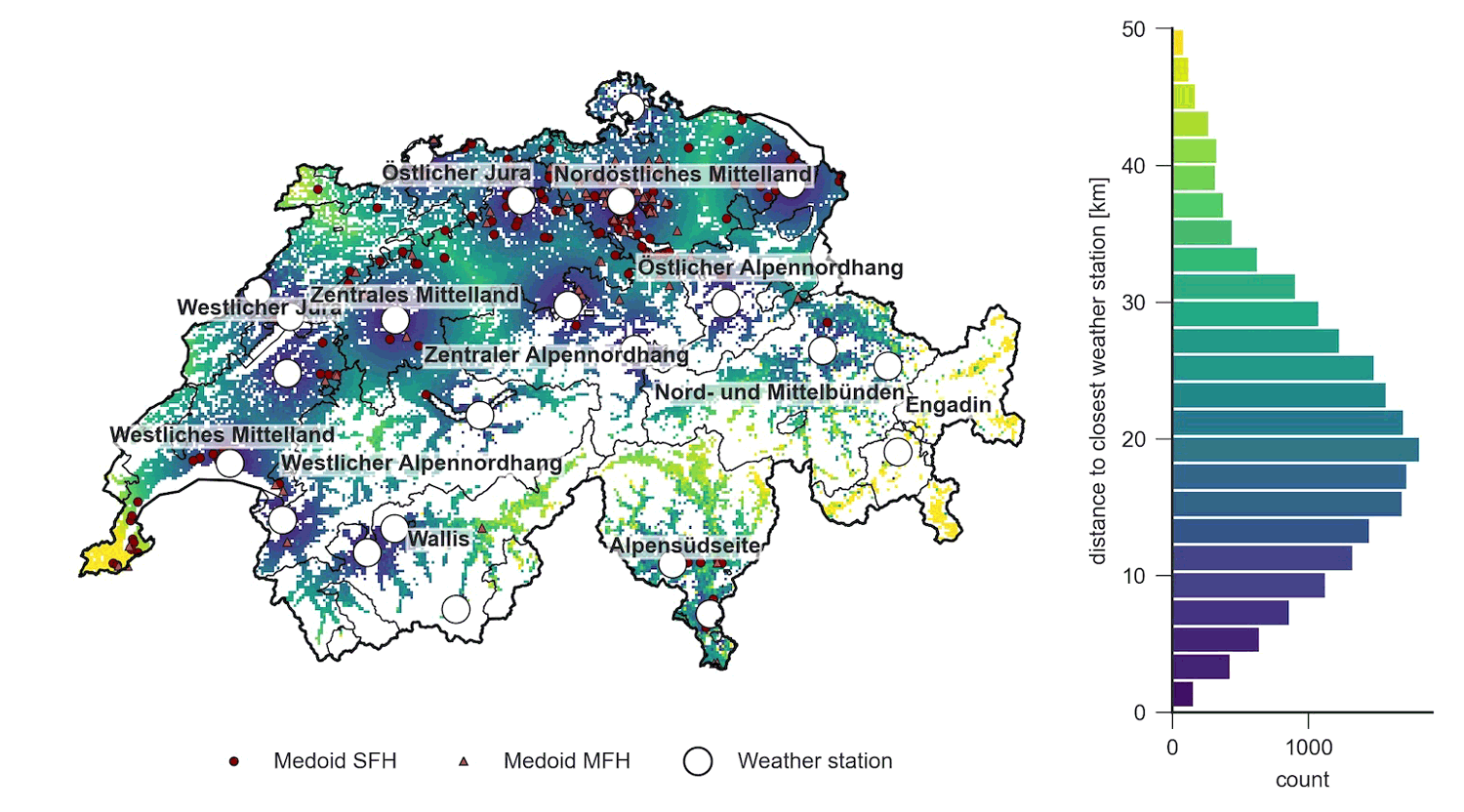
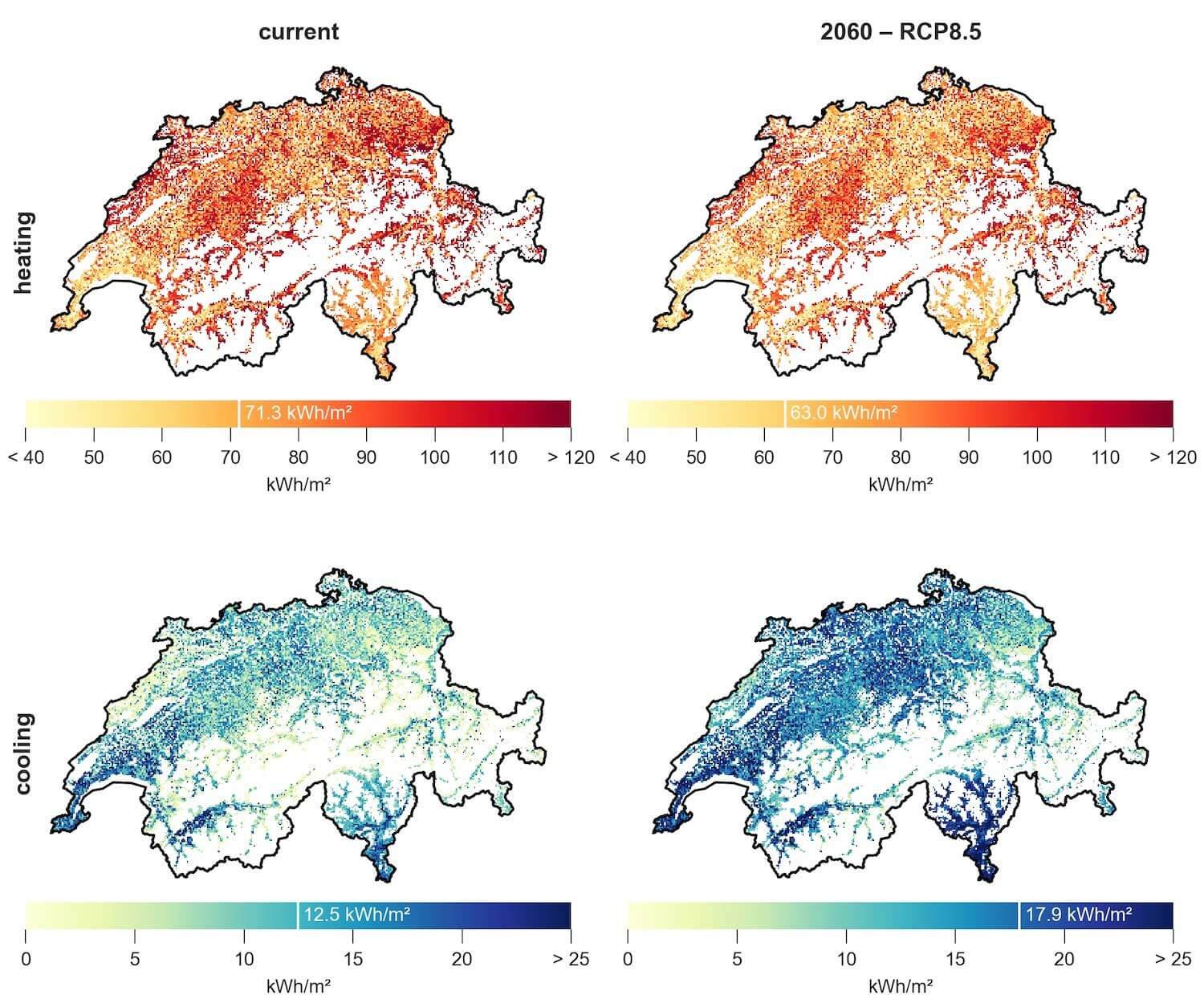
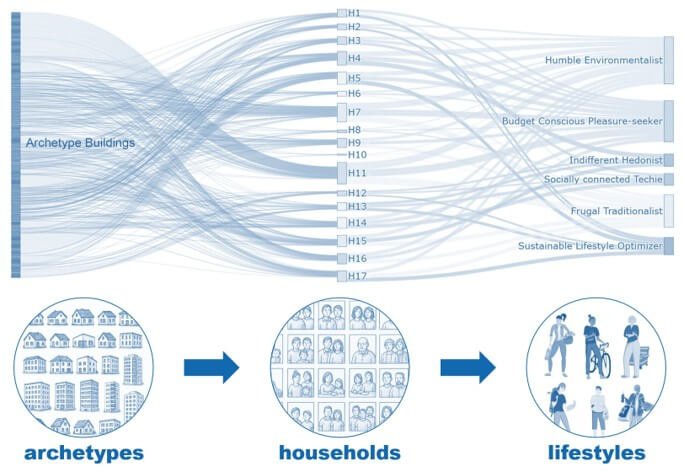
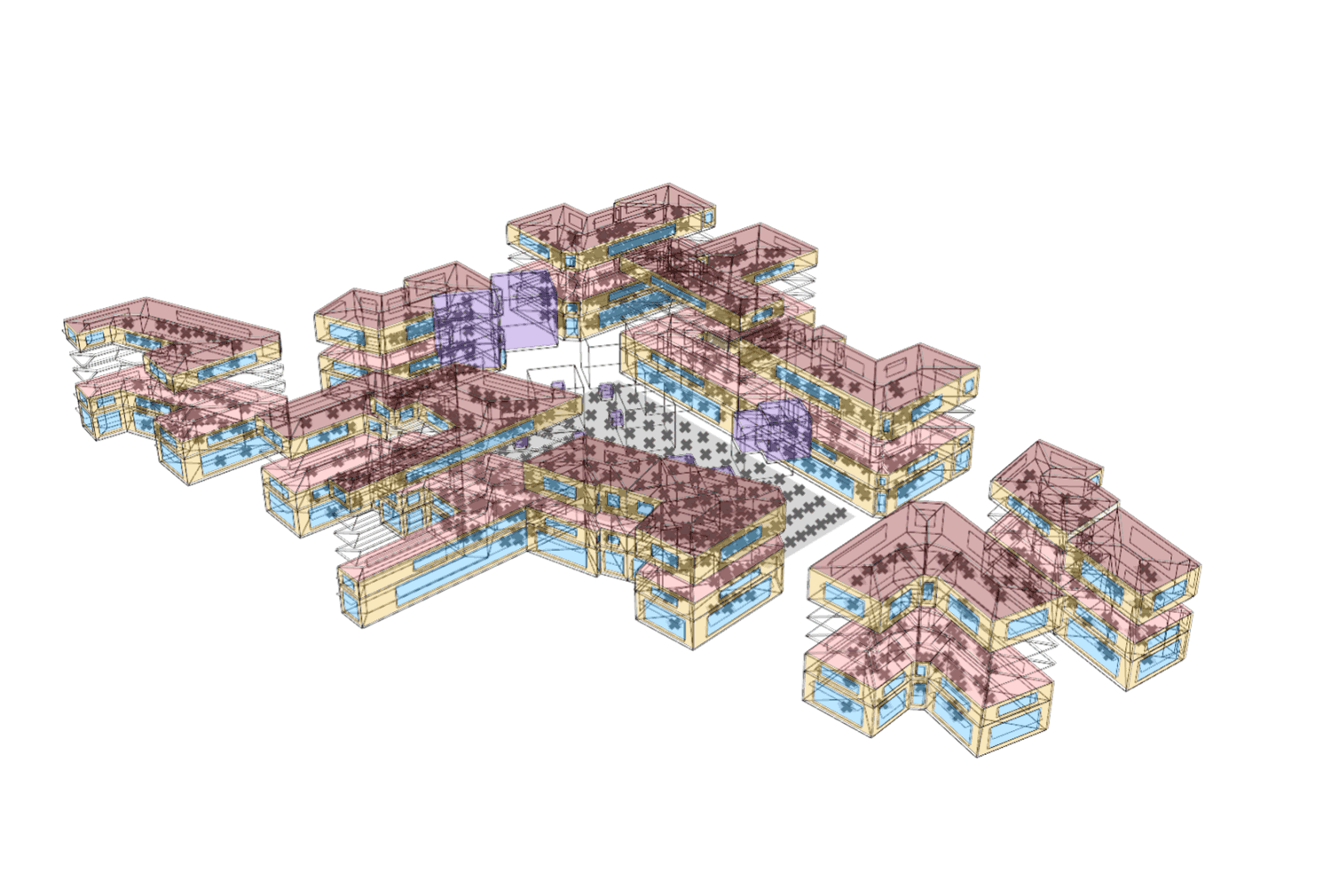
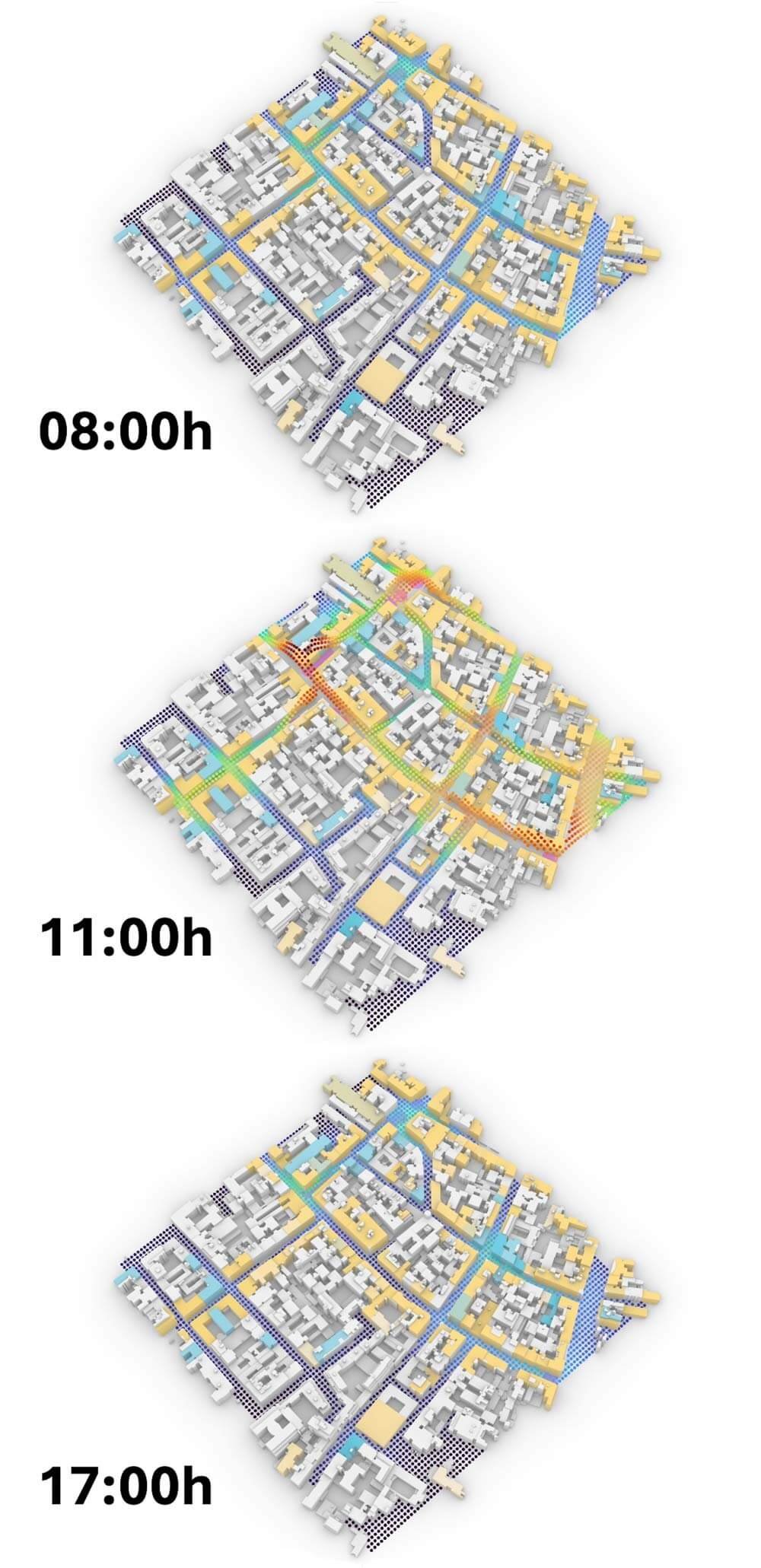
The SWICE project, funded by the Swiss Federal Office of Energy’s SWEET programme, explores how changing ways of living, working, and moving in cities can reduce energy demand while improving quality of life. Focusing on the Swiss residential building stock, our research investigates sufficiency and retrofit strategies through human-centric approaches. Building on recent work such as Mind the Acceptability Gap, we integrate lifestyle diversity into energy sufficiency analysis, highlighting how user preferences, social acceptance, and behavioural patterns shape the feasibility and effectiveness of low-energy living and climate policies.
Participants: Fatih Topak, Yang Gao, Til Sommer, Kristina Orehounig
Funding source: Swiss Federal Office of Energy's SWEET programme
Research Partners: EPFL, Empa, ETH Zurich, University of Geneva, Fribourg, Winterthur, and others.
Related publications
- Batra, Z., Sommer, T., Jusselme, T., Orehounig, K. (2025) Exploring the potential of Sufficiency scenarios to reach Net-Zero buildings in Swiss municipalities, Energy and Buildings, 116727
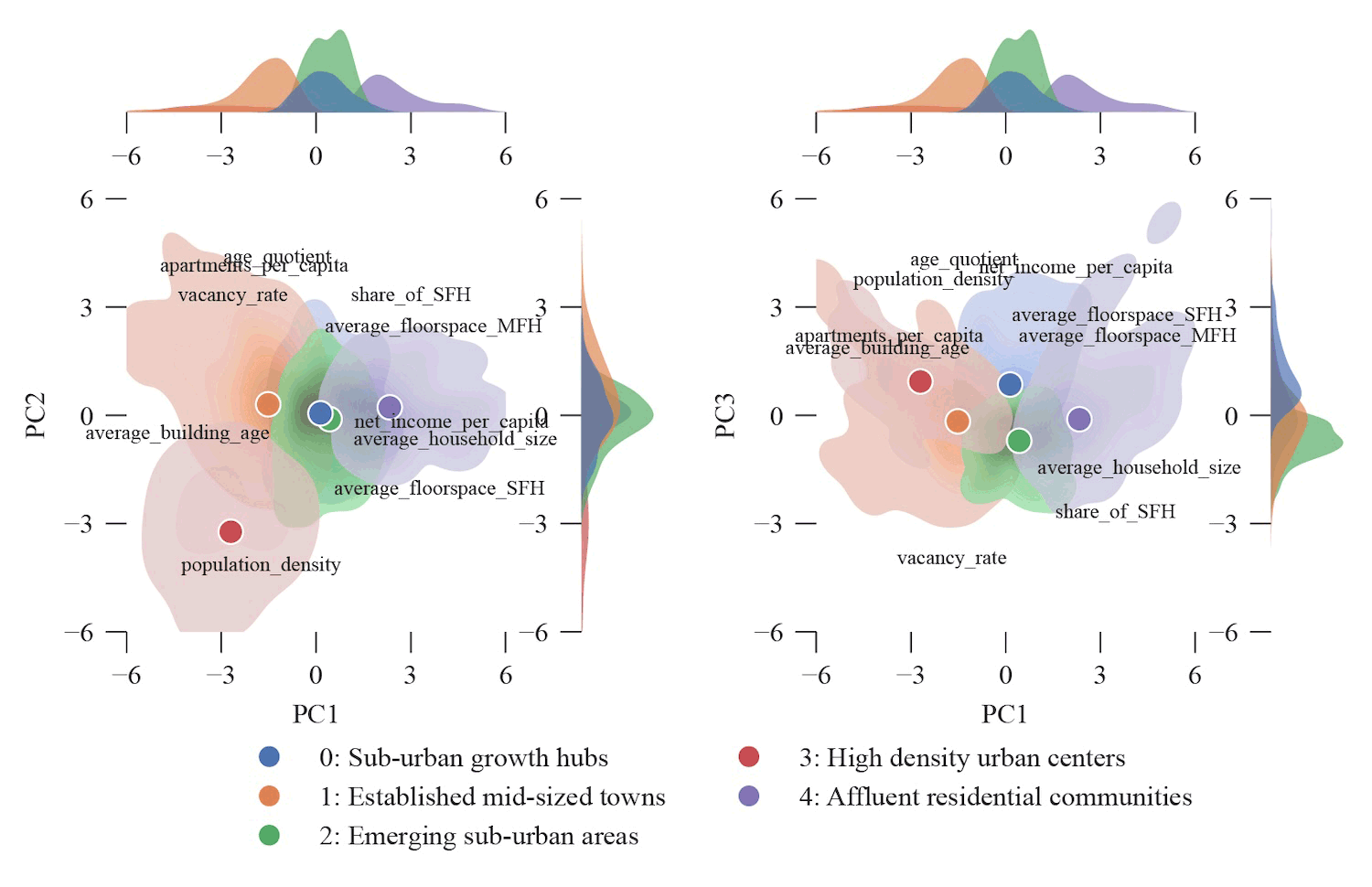
- Batra, Z., Sommer, T., Jusselme, T., Orehounig, K. (2025) Beyond efficiency: Exploring the socio-economic and demographic drivers of sufficiency in buildings, Journal of Physics: Conference Series 3140 (15), 152003
- Topak, F., Orehounig, K. (2025) Inferring Swiss residential occupancy patterns through smart meter analysis, Journal of Physics: Conference Series 3140 (11), 112023
- Topak, F., Sommer, T., Schwalm, D., Redl, B., Nembrini, J., Sutterlin, B., Orehounig, K. (2026). Mind the acceptability gap: Integrating lifestyle diversity into energy sufficiency analysis of the Swiss residential building stock. Energy Research & Social Science, 104751.